An 8-Month Residential Food Systems Fellowship
2026 Fellowship Dates: March 24 – November 28, 2026. 8 months total.
Ages: 18+. In 2023-2025, our age range was 22-26, with one 30-year-old. We invite people of all ages to apply.
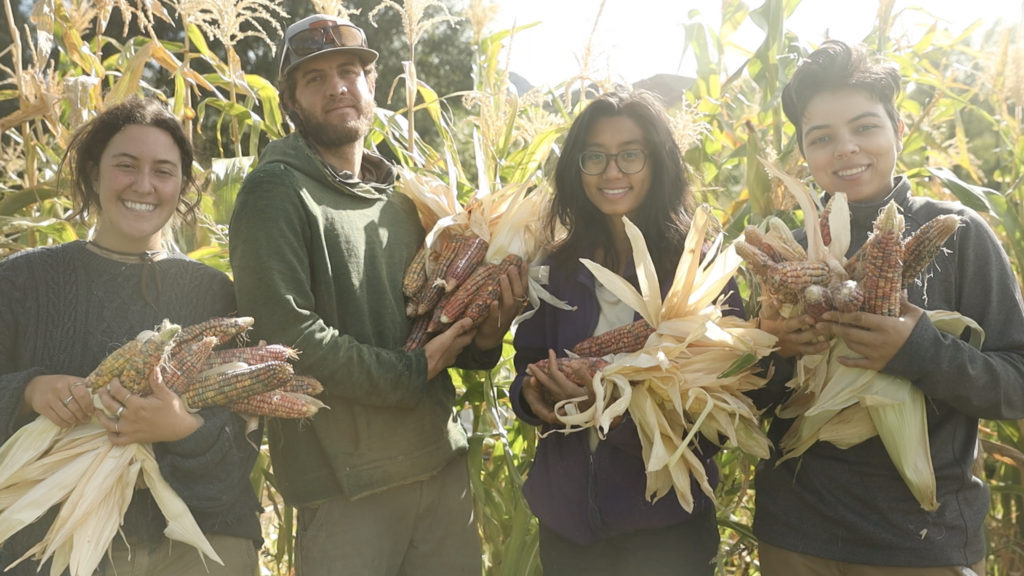
Cohort Size: Varies from year to year based on applicants. 4-6 fellows.
Location: Paonia, Colorado
Finances: For 2026, this fellowship will be offered as a trade. Fellows receive housing and 3 farm-based meals per day. Groundwork has bikes and a communal car for fellows to use for local trips and shorter weekend trips.
Application Deadline: End of day on January 18, 2026.
Notification Date: Early February, 2026.
Further Opportunities: Fellows have the opportunity to return for a second year on the Groundwork farm as an assistant farm manager.
How can we live so that future generations might see us as good ancestors?
Young people today are inheriting a world in crisis. Societies across the globe are forgetting—or being forced to forget—what it means to live in reciprocity with the landscapes that nourish us. Today, “the good life” seems to be composed of shopping malls, traffic jams, and endless consumption. This fellowship is for people seeking an alternative. Join us to develop the skills and practices to live otherwise.
Program Overview
Our world asks us to radically reimagine ourselves and our society. It’s common knowledge that U.S. society is too destructive to be sustainable, but what does the alternative look like? How can you envision a future when you haven’t yet experienced many pieces of it that you want to build or emulate?
This fellowship offers a structured space where fellows can feed their imagination and build a steadfast vision for a livable future. Throughout the fellowship, food serves as the lens through which we examine our personal and societal relationships with the Earth. Food systems are a web connected to all aspects of our relationships with the Earth. In our relationship with a single seed, we can see our relationships with water, fossil fuels, climate, land stewardship, histories, economics, supply chains, policy, and culture.
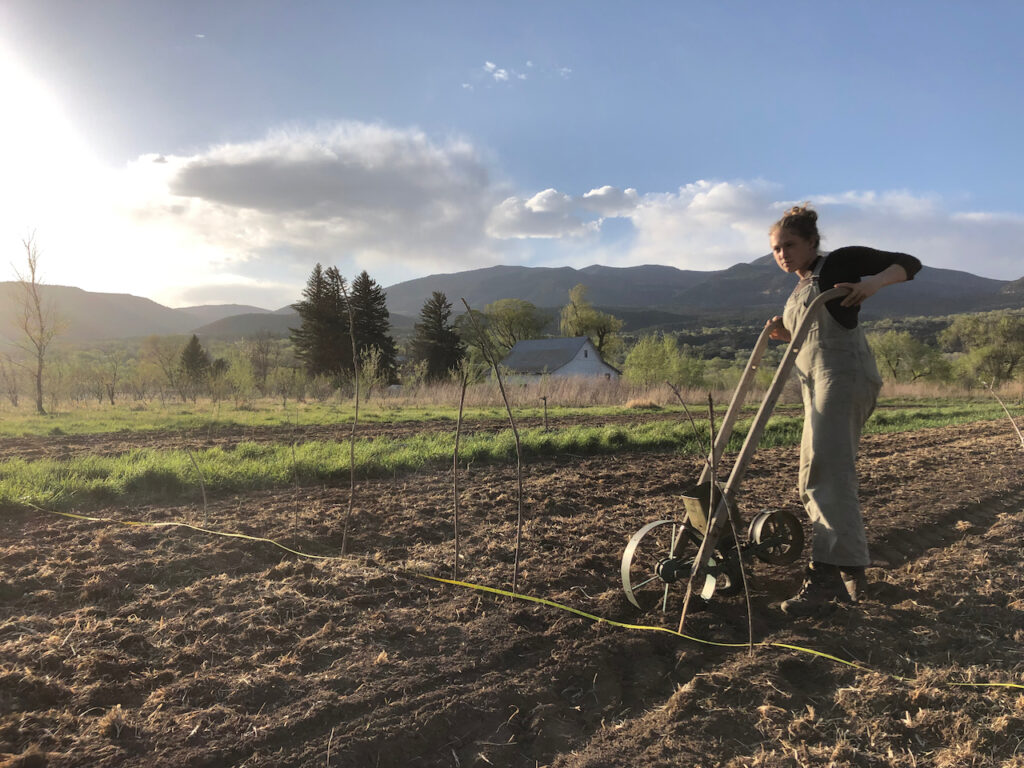
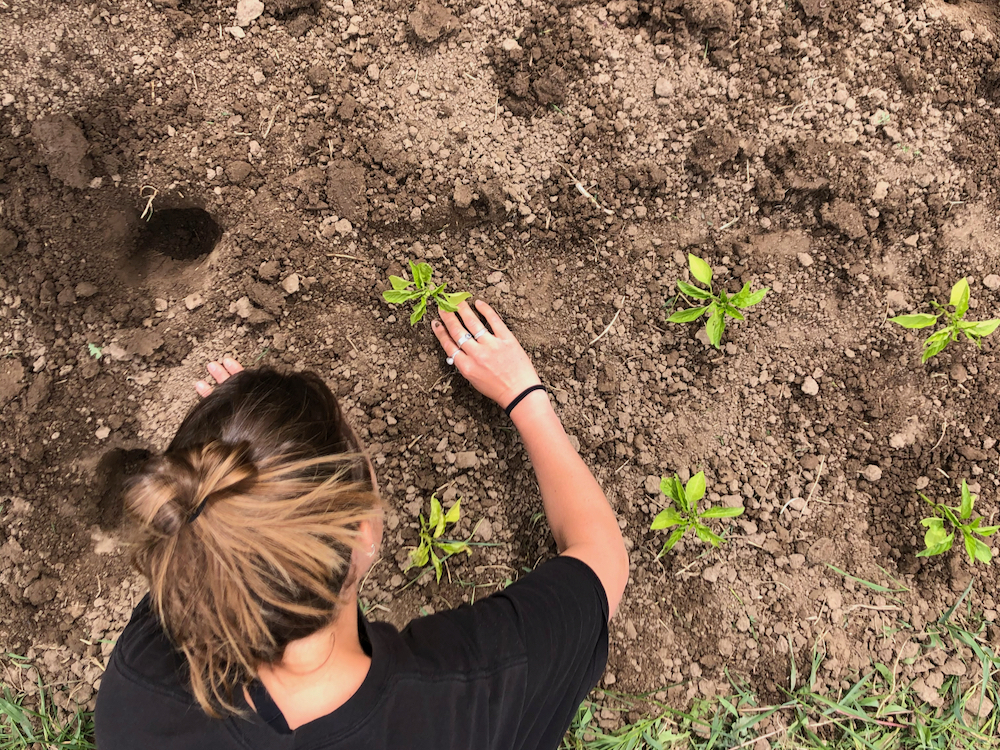
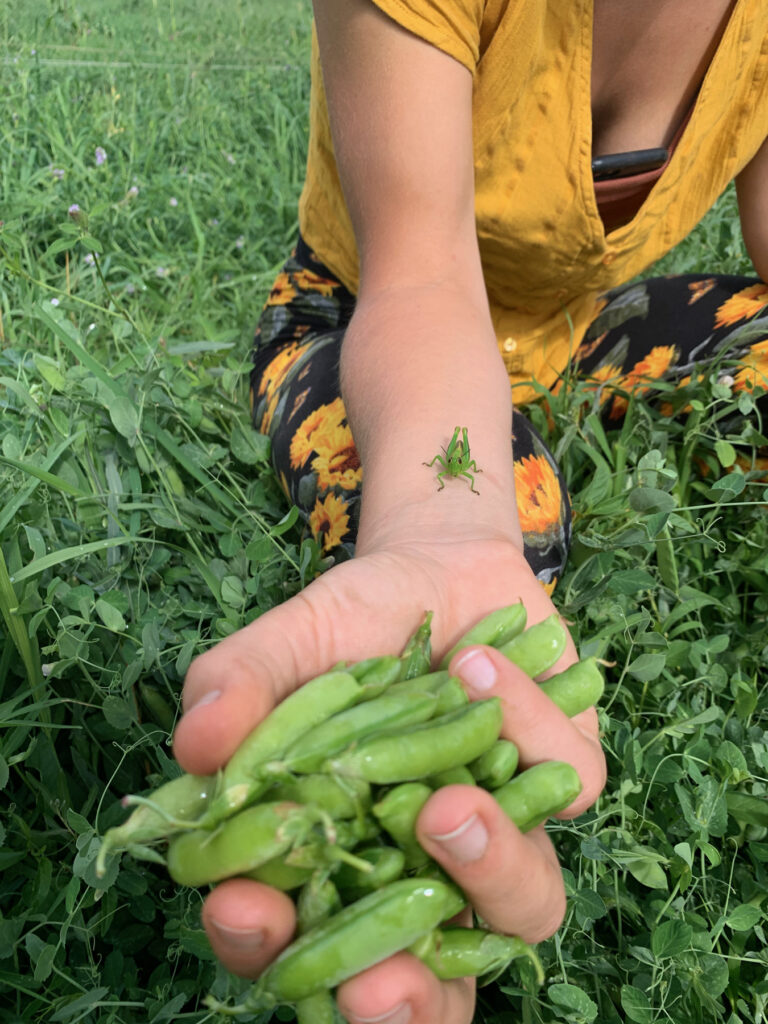
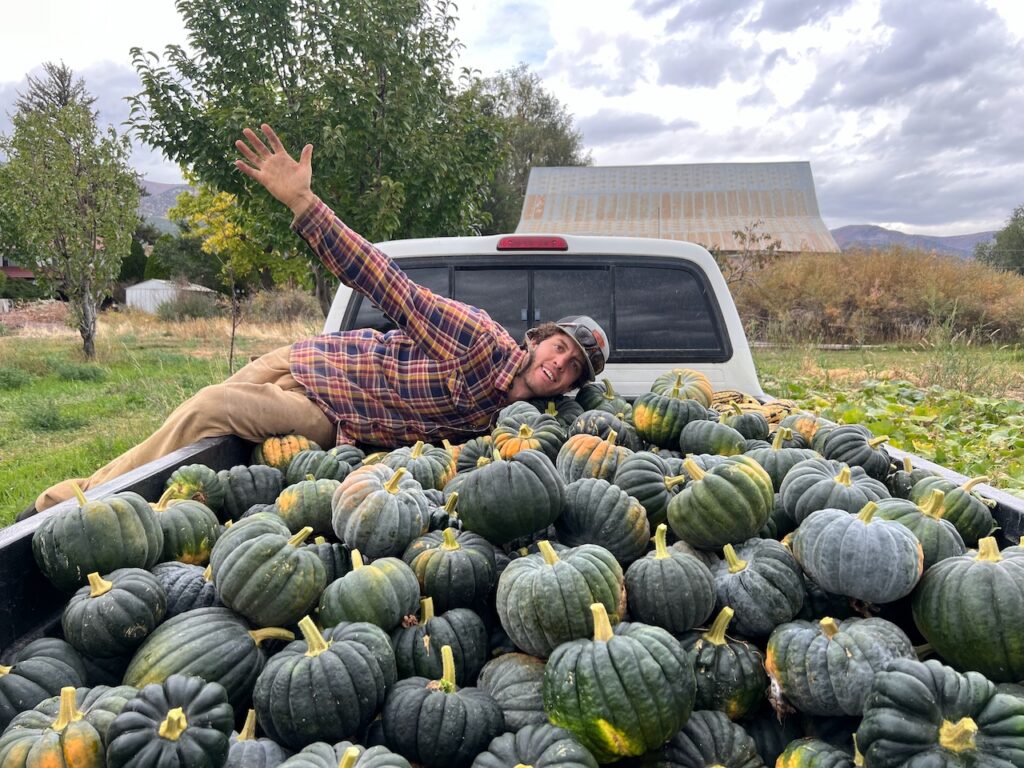
Each morning, fellows tend to Groundwork’s organic vegetable and seed farm. Mixed into the work of planting, weeding, and harvesting are opportunities to learn about food and seed systems, building a base of skills and knowledge for fellows to become changemakers with the food system. We engage our heads, hands, and hearts in the practices of remaking ourselves in relationship with the land.
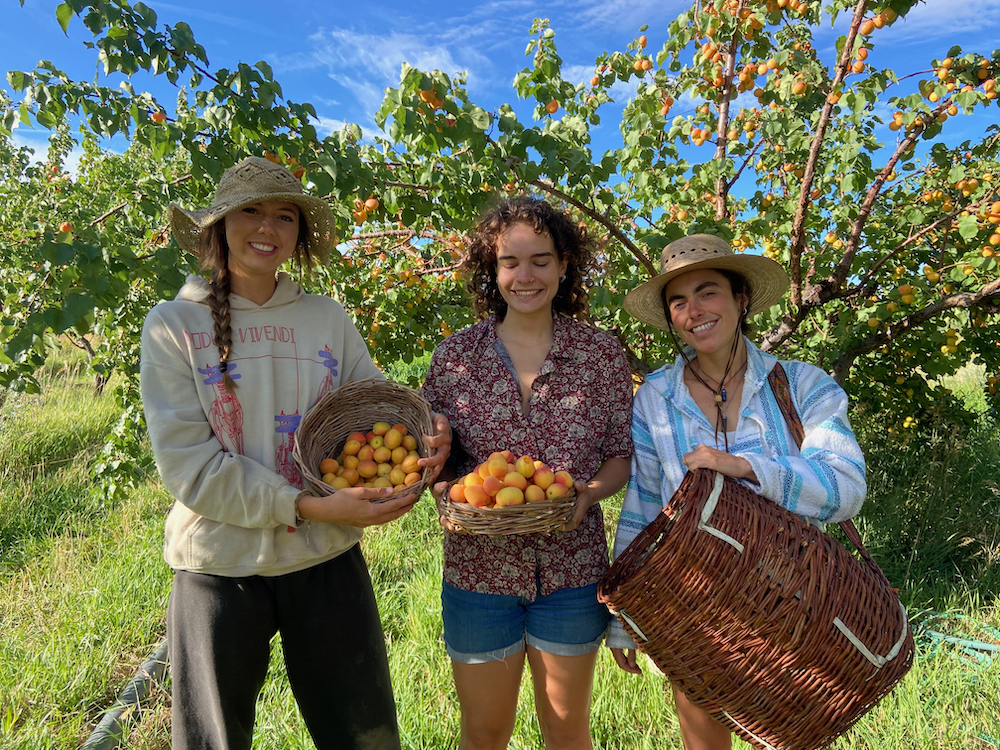
Seasonal cycles set the rhythm of the fellowship as we deepen our roots in the land and build a holistic understanding of what a real, multi-generational form of sustainability might look like. In today’s world, living well and growing healthy food is an act of defiance, and Groundwork’s farm is a place where we explore what it means to take power back from the flattening forces of industrialism, consumerism, and capitalism. Groundwork’s Western Colorado Campus is a place to find joy, pick fruit, weave baskets, and plan (and plant) the revolution.
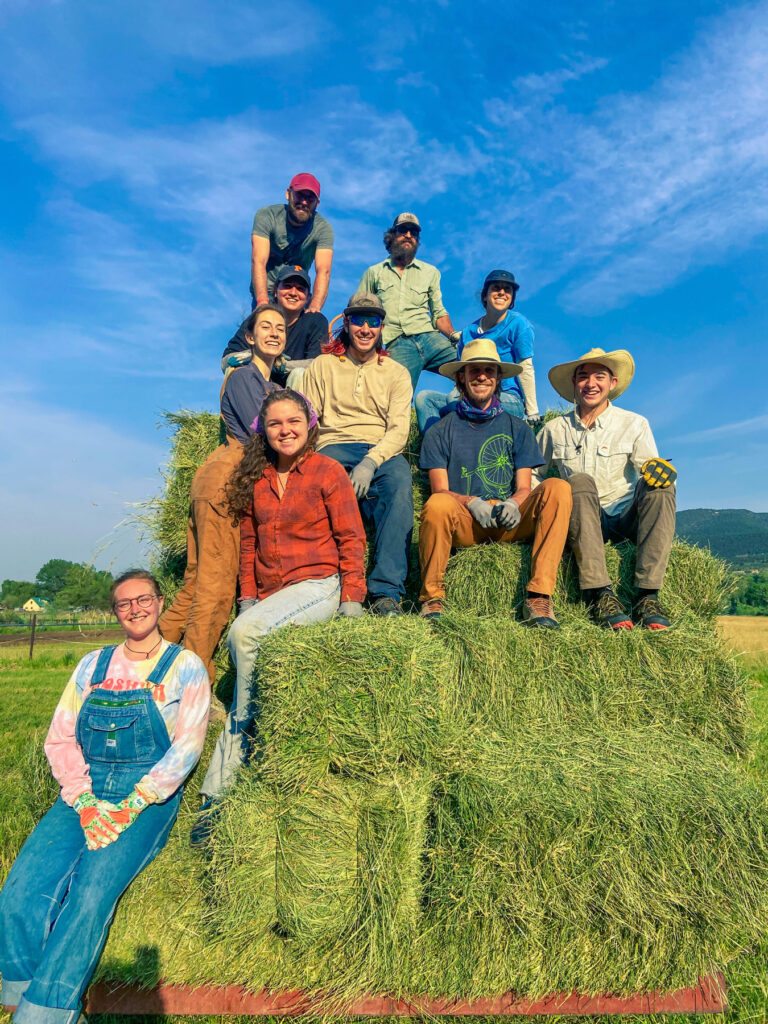
For future environmental and agricultural leaders who sense that there is another way, this fellowship offers deep opportunities for growth and exploration. Food Systems Fellows will be asked to step outside of their comfort zones in many ways: living, working, and eating in close quarters in communal settings; tending to plants through rain, snow, wind, and the hot days of high desert summer; and questioning and leaving behind habits built in the industrial-capitalist mainstream. The work is physically demanding, and success here requires a certain level of grit, humility, and adaptability that is uncommon from many jobs or internships. Our schedule is full, and sometimes even the rest time can often be easily filled as fellows dive deeper into their readings, get involved in the community, and practice land-based crafts like basketry and natural dying.
We invite those who would step forward and become visionary leaders for change in the coming years to apply. Join us this year to dig deep, invest in your relationship with the Earth, and ask what it looks like to create a just and livable world for a time beyond our own.
Fellowship Highlights
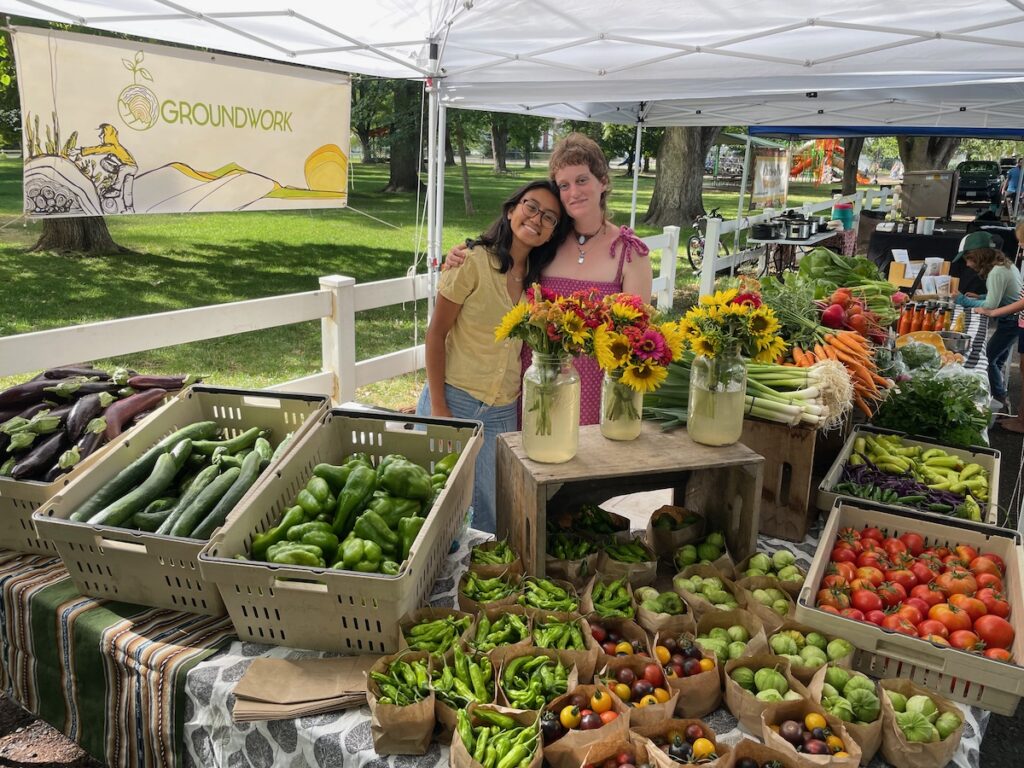
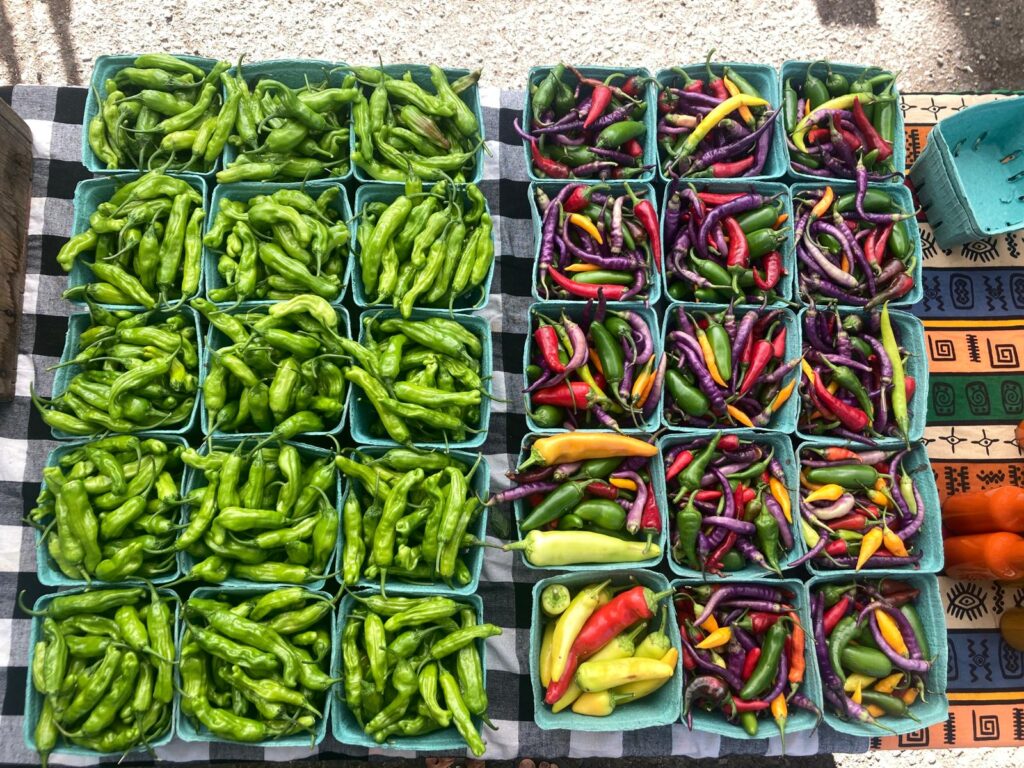
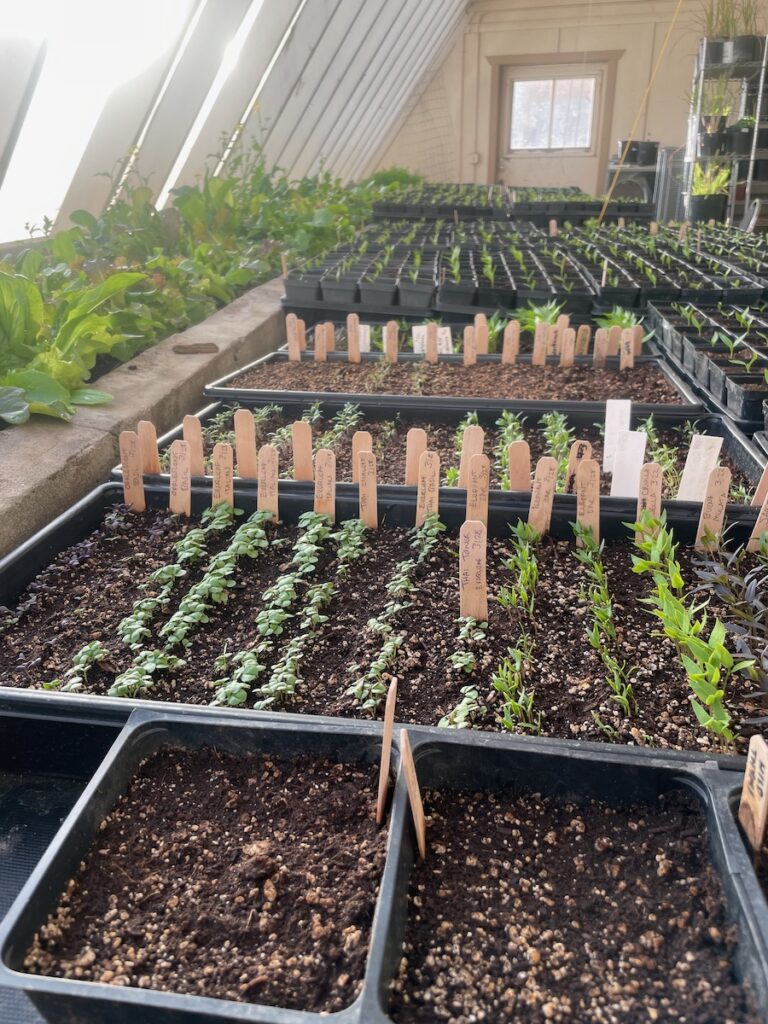
- Gain the skills to become a part of your local food system. Fellows spend mornings tending our 1-acre vegetable and seed farm. We grow seeds for seed companies in our bioregion, sell vegetables at local markets, and grow a large portion of the food we eat. Engage with a community focused on local, organic food production, processing, and distribution. After the fellowship, you should expect to have both a broad and deep base of experience to be a leader in the food system.
- Experience a lifestyle grounded in and connected to the landscape of Western Colorado, where the Rocky Mountains drop off into the red rock canyons of the Colorado Plateau and Utah.
- Be part of a cohort engaged with the process of finding joy, purpose, meaning, and a viable livelihood.
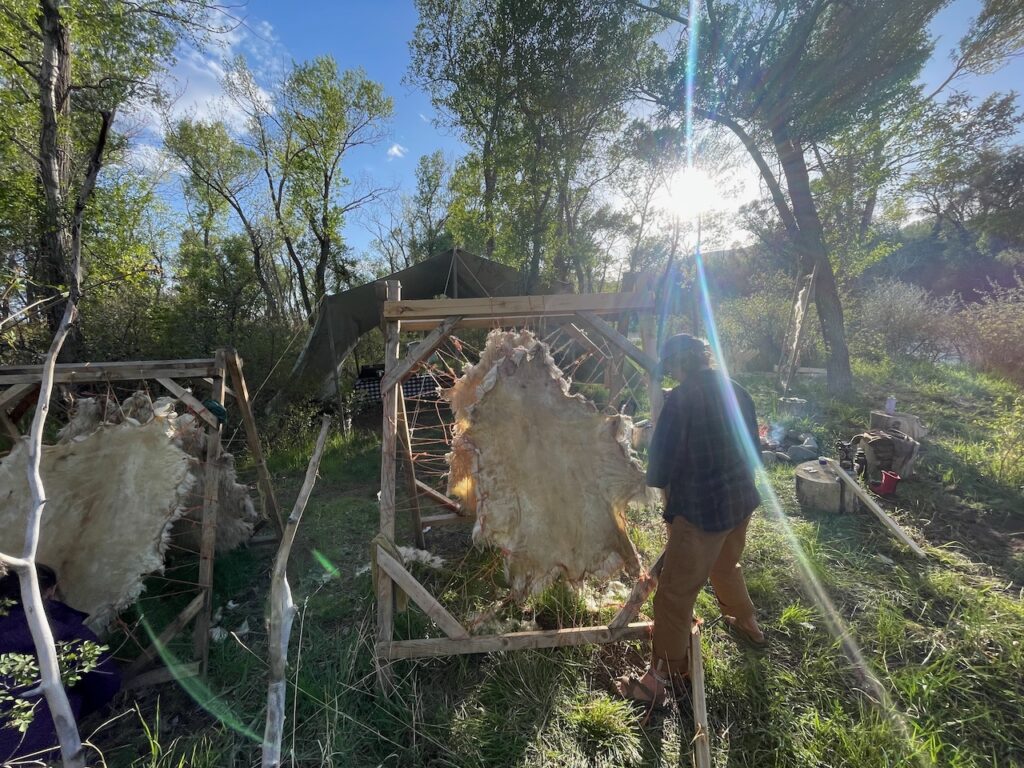
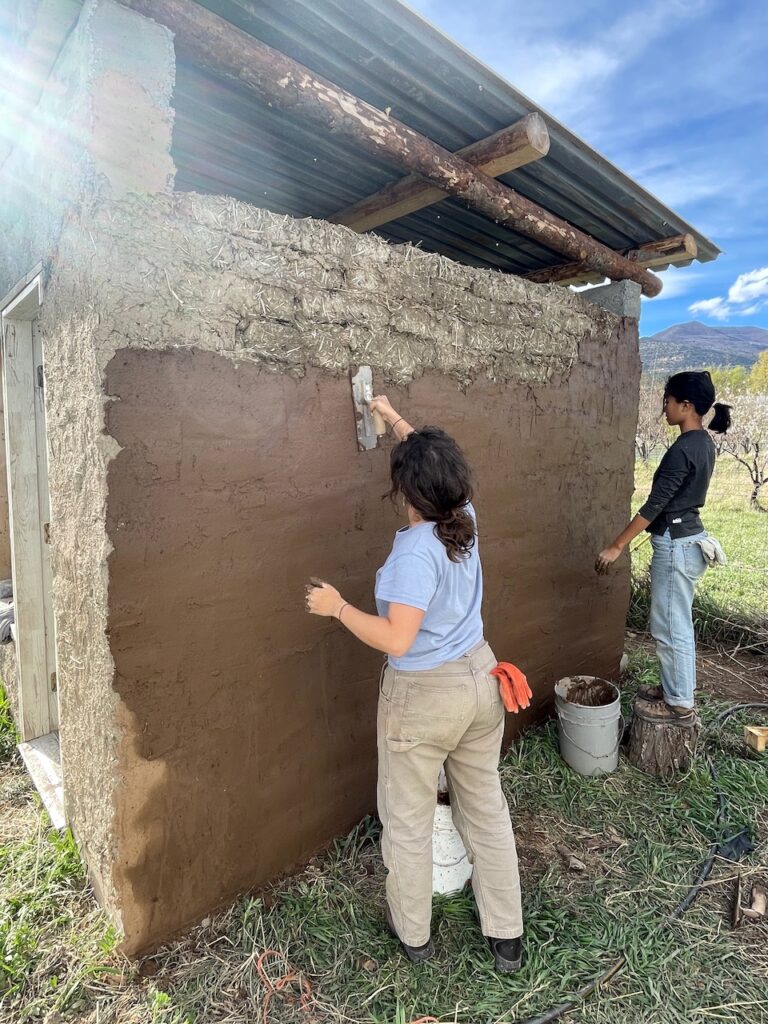
- Experiment and live with sustainable alternatives like solar ovens, composting toilets, earthen building, and passive heating and cooling.
- Attend seminars and workshops focused on the intersection of ecology, economics, culture, and place.
- Through the week, each day brings a different form of learning, including long days on the farm to full days in a classroom, afternoons learning from community partner organizations, evenings at the local farmers market, and dinnertime discussions on cultural shift and post-capitalist theory.
“Being naturalized to place means to live as if this is the land that feeds you, as if these are the streams from which you drink, that build your body and fill your spirit. To become naturalized is to know that your ancestors lie in this ground. Here you will give your gifts and meet your responsibilities. To become naturalized is to live as if your children’s future matters, to take care of the land as if our lives and the lives of all our relatives depend on it. Because they do.”
― Robin Wall Kimmerer, Braiding Sweetgrass
Program Details
Structure

The fellowship balances 5 core pieces:
- Hands-on experience in food systems: learn to run an organic seed & vegetable farm
- Seminars on regional and global environmental topics
- Citizenship of place: Engage with place on personal & political levels
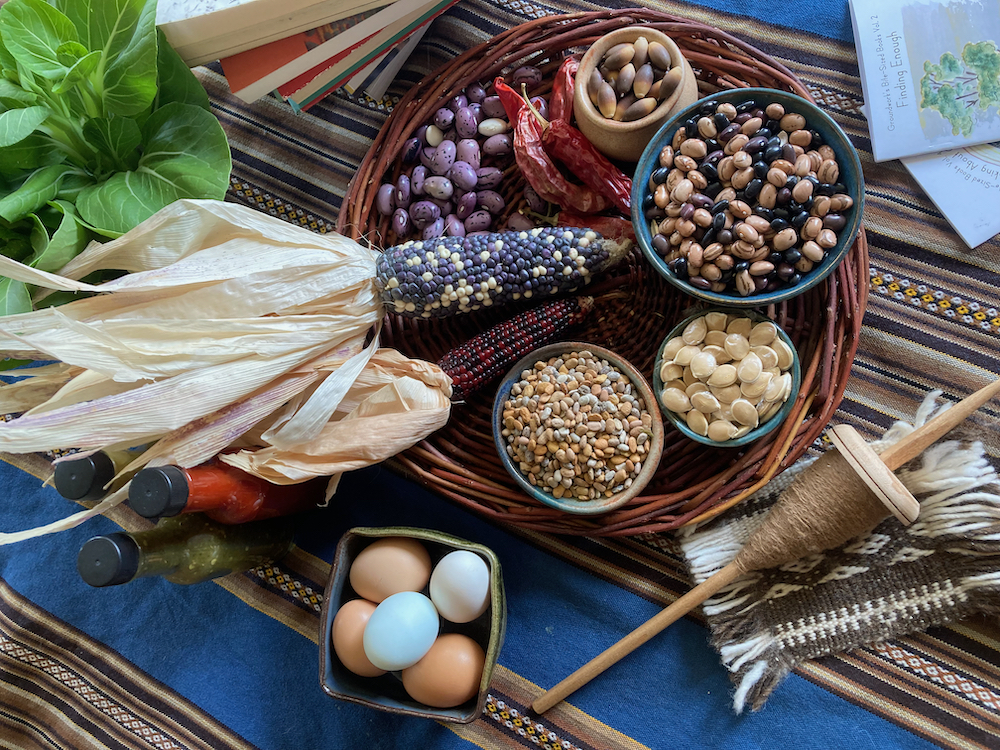
- Traditional lifeways: Land-based crafts, food preservation
- Alternative living: Seasonal rhythms, communal life
Focus & Curriculum
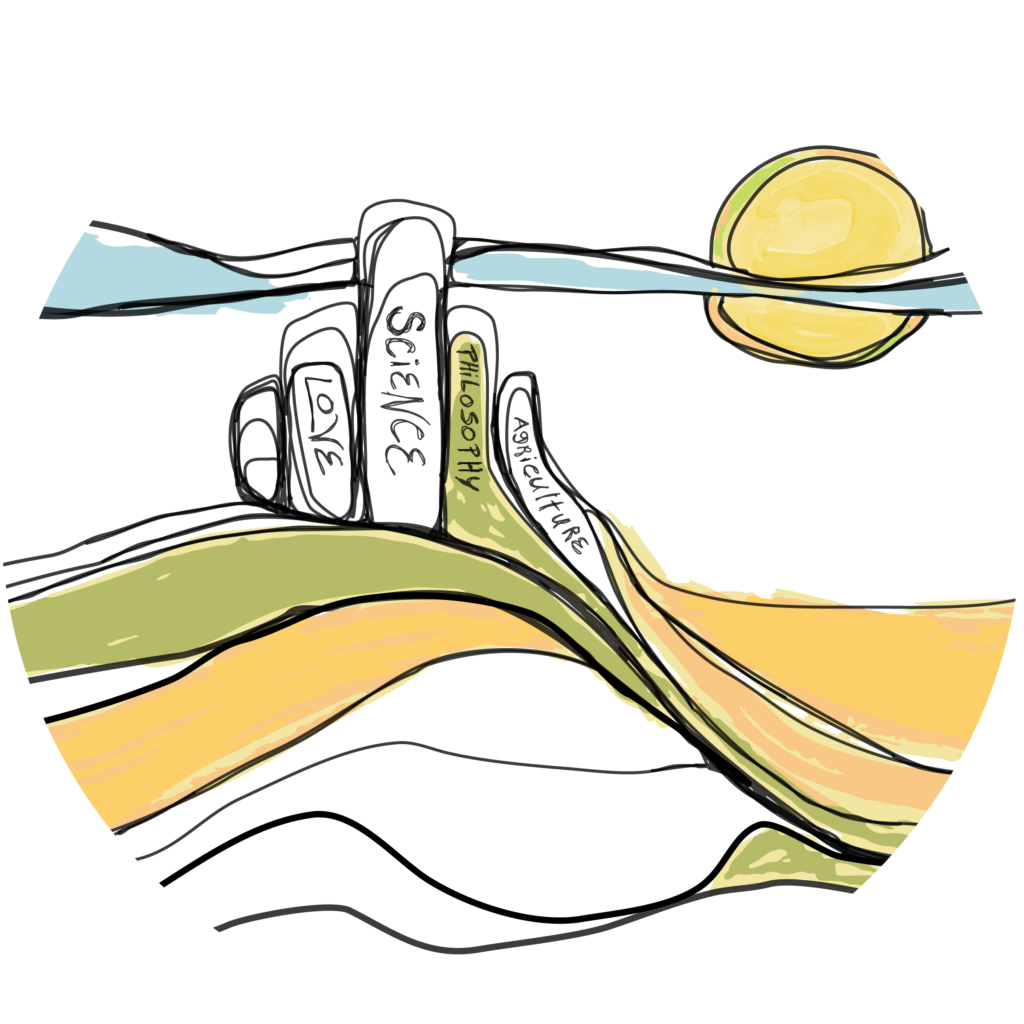
This fellowship includes investigation into the leading thinkers focusing on the issues we address. Against the backdrop of hands-on work with the land, readings and discussions focus on these areas:
- Seed, Soil, and Story: Imagining A Time Beyond Our Own
- Modernity vs. Integration: Barriers to Ecological Thinking
- Structural Power in the American West: Settler Colonialism, Water, & Public Lands
Skills
We believe in young leaders. That’s why our fellowship focuses on building skills and context. Whether tending a small farm, understanding complex environmental laws, or organizing for positive change, we know that just because you haven’t done it before doesn’t mean you can’t be a pro in a few months. By the end of the fellowship, you can expect to have the skills to be a well-rounded and effective agent for the change you want to bring to the world. For more on the tangible outcomes of the fellowship, click below.
Commitments
This fellowship will not be easy. It’s a physically demanding experience that tackles big grief for a world facing an uncertain future. We ask substantial questions: what is the balance between living within a capitalist system and pushing back against it? How much can or should we rely on destructive forces like fossil fuels as we try to envision a world without them?
Through the process, this fellowship has been life-changing for everybody who has committed to it since it began in 2021. You can expect your learning and growth to be proportional to the effort you put in. Fellows commit to 30 hours per week on the farm, plus attending all educational activities and putting in the effort to maintaining a strong energy of community within their cohort.
The following commitments form the foundation of our time together:
Rootedness: Commitment to local, seasonal living and diet.
The modern world strives to eliminate natural cycles. On the Groundwork farm, we strive to live with the land. Your diet on the farm won’t offer much variety from day to day, but on a week-to-week basis, you’ll experience the wonderful progression of seasonal vegetables, wild foods, and secret foods that farmers enjoy in the fields but you’ll never see in grocery stores. Rootedness is a commitment to leaving behind the convenience and comfort afforded by the seasonless globalized industrial food system, and to cook what the land offers, even though you’ve eaten it every day this week. Don’t worry—peach season will come soon.
Diligence: Commitment to tending the land.
Tending the land is a great joy. It can also be a great exhaustion. Commitment to the land requires consistency, dedication, and a lot of hard work. Farming well is all about timing. If your work is slow and sluggish for a week, you may miss the window when weeding is easy, and as the weeds become larger and stronger, now your task requires more work. This increased work, in turn, postpones the next task, creating a feedback loop. During this fellowship, you will be working an average of 30 hours per week on the farm. It’s important to know that farming is not a standard 9-5 job. If you break a tool you need for an irrigation chores, you will need to spend 2 hours fixing it. The irrigation still needs to happen, and it can’t wait until after the weekend. Diligence in tending the land requires constant effort, organization, and the capacity to show up to do the hard work when it needs to be done.
Patience: Commitment to the process of learning through the season
This fellowship is one large learning process, and many of the lessons won’t become apparent until the fall. This commitment is about committing to the process, and trusting that your day-to-day life is part of a rich tapestry of learning, even if it doesn’t feel like it in every moment. Farmers don’t measure their experience in number of days spent picking tomatoes—they measure it in seasons. During the heat of summer in July, it can be hard to keep the long vision and to want to persevere to the end. The commitment to patience is recognizing that farm seasons are a long unit of time, and that you cannot evaluate the experience until the end.
Complexity: Commitment to living between worlds.
Like any experience where people are trying to create visions of a different world, this fellowship is full of contradiction and dissonance. We’ll criticize production-focused agricultural systems while taking pride in how much produce we can coax from the soil. We’ll discuss post-capitalist theory and also delight in a good day of sales at the farmers market. We’ll use composting toilets and we’ll also fertilize fields with pelletized chicken manure from industrial-scale farms. Arriving at the ideal future doesn’t happen overnight, and it’s important that we can live partially in both worlds. As Walt Whitman wrote, “I am large. I contain multitudes.”
Community: Commitment to each other, even with imperfections
People are one of the most complex parts of any social or environmental work. You’ll be living in close quarters, and it’s important both to give people grace, and to offer them real constructive feedback in order to help them grow. We strive to have our cohorts embody what we call “unconditional positive regard”—assuming the best in people, even when it may be challenging. Rather than emphasizing the individualized “self care”, we try to focus on group care, knowing that the group is what will, in turn, care for individuals. This commitment may be the most challenging one, since individualism is so core to modern American culture.
Presence: Commitment to reflection and spiritual investigation
This fellowship is deeply spiritual. You will be reframing your life in terms of the land. Farming is an art of observation: it requires constant presence. In addition to the farming, the fellowship will have some opportunities for spiritual practice: quiet times in the morning and prompts for reflection. You will also encounter teachers and mentors who have a religious or spiritual practice they use as a frame of reference when they teach, especially our landlord Greg Cranson who teaches about seeds and farming from a mystical Christian perspective and our mentors Jeff and Jon who infuse a Buddhist flavor into many teachings. You are not expected to convert or believe, but we see this commitment as listening without prejudice and gleaning from teachings what resonates with you. The spiritual component of farming is very important to all of us at Groundwork.
Service: Commitment to something bigger than yourself
We encourage fellows to see this experience not as a job or an internship, but as a sort of radical service. This idea is most clearly seen on afternoons when fellows arrange service projects with local organizations. We also see it in the seeds we work with. To be a seedkeeper is to hold the future of food in your hands. Dormant in the seeds are all the generations that came before, and all the generations of both plants and farmers who are yet to come. We see this fellowship in the same way: it’s a place of potential, where we hold a few of the seeds of a more beautiful future in our hands, uncertain when they will be harvested. With that mentality, growing good food and engaging in positive futurism is radical service.
Simplicity: Commitment to real wellbeing, despite cultural norms
Our world is so busy. Fellows commit to simplicity in diet and in resource use. As our world has been colonized by the mindset that puts productivity above all else and monetizes the tiniest increments of attention, simplicity is resistance. Past fellows have appreciated phone-free days, living car-free, using simple technologies like composting toilets, and generally questioning mainstream cultural norms that always seem to speed up life and distract us from the basics.
Who are our fellows?
This fellowship is for anyone wanting to expand their classroom knowledge to real life skill-building and practical experience in sustainable culture, farming, community building, and environmental leadership. Some fellows come with prior experience with food systems and related areas while others may not, but all of our fellows have the desire to create meaningful and positive change for a sustainable future. Fellows are open to challenge and ready to commit themselves to learning deeply about the land, and about themselves. We designed this fellowship to offer what we would have wanted when we were younger. Most of us at Groundwork share a common experience: in our early 20’s, we had received degrees in environmental science and worked in environmental fields, but we still had the sense that nobody in our society really had a vision for a sustainable path forward. We believe that the right space offering mentorship, resources, and a well-rounded structure will help young people claim the power to shift our society.
Still Have Questions?
If you have questions about anything related to the fellowship, please give us a call or email before applying. We love talking with prospective fellows.
Phone: 720-326-9139
Email: info@layinggroundwork.org (or use our contact form)